

 Start a conversation
Custom AI product and SaaS development
Social media analytics freemium reports: what's actually free and what you'll pay for

Freemium social analytics tools convert fewer than 4% of free users to paid because they're designed to lock the features that matter: historical data beyond 30 days, exports, competitor tracking, and white-label PDFs. For South African businesses, the problem is worse. These tools bill only in USD, ignore POPIA Section 69 requirements for consent when data feeds retargeting or WhatsApp campaigns, and price on curves that assume ZAR stays stable, which it doesn't.
This is what that gap costs in practice, and when to stop paying for seat-based tools and build something that actually fits your business.
What freemium actually means in social media analytics
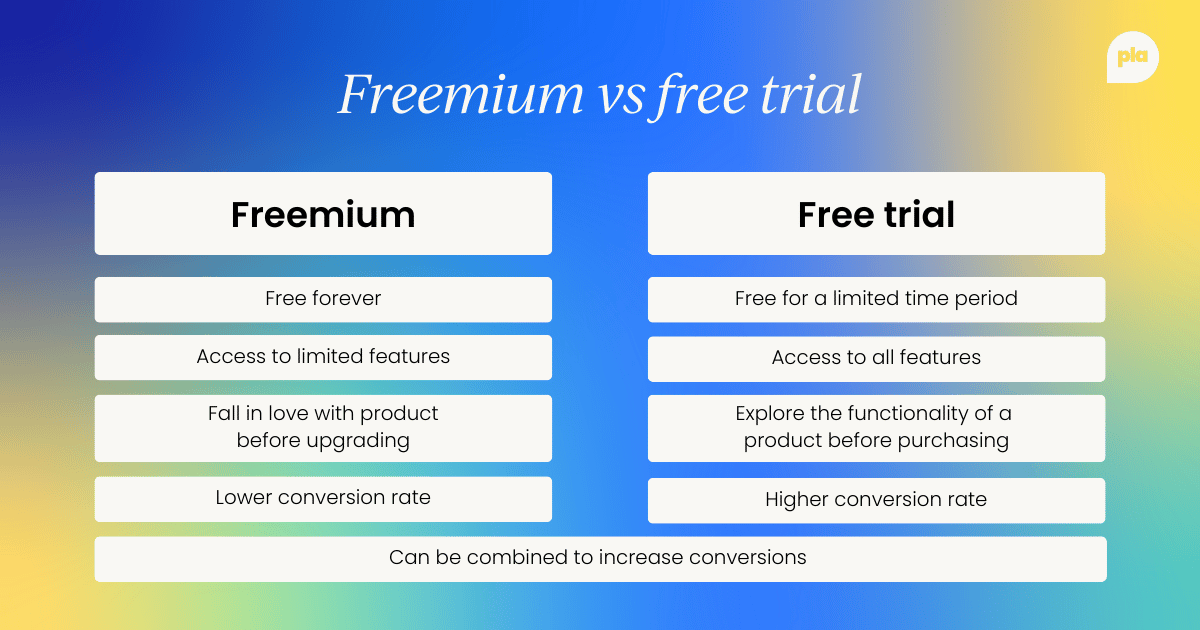
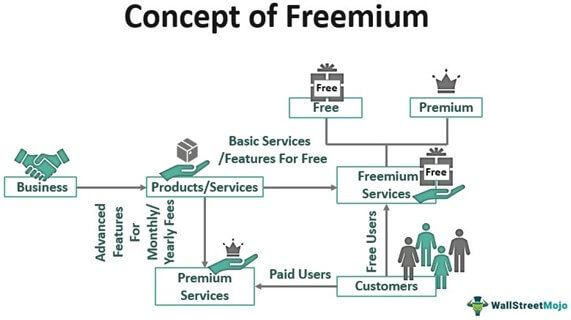
Freemium is not the same as a free trial, and the difference changes how you should evaluate a tool. A free trial gives you full access to a paid product for a set window, usually 14 to 30 days, then cuts you off entirely unless you pay. Freemium gives you permanent access to a stripped-down version of the product, with no expiry date, but with feature and volume limits designed to eventually become annoying enough that you upgrade.
Freemium vs free trial: why 26% of tools use one and 42% use the other
Across the social analytics SaaS category, roughly 26% of vendors run a pure freemium model and 42% run a free trial that converts to paid-only. The rest run a hybrid, usually a short trial of the full product followed by a permanent, limited free tier. The split matters because it tells you what the vendor is optimising for. Trial-only vendors want fast conversion decisions. Freemium vendors are playing a longer game, they want you dependent on the tool before the limits start to bite, which is exactly why the free tier is scoped the way it is.
When Hootsuite dropped its free tier a few years back, it switched to 30-day trial only. That signals something worth reading: Hootsuite's free tier wasn't converting at a rate that justified the infrastructure cost of hosting non-paying users indefinitely. Freemium only works when your conversion math holds below it. Hootsuite's did not.
The standard gate: channels, history, exports, competitor data
Almost every freemium analytics tool gates the same four things: number of connected accounts (usually capped at 1 to 3), how far back you can see data (30 days is the norm, sometimes less), whether you can export anything beyond a screenshot, and whether you can see competitor or benchmark data at all. These four gates exist because they map directly to the moment a real business, not a hobbyist, needs the tool. A solopreneur posting to one Instagram account rarely hits them. An agency managing five clients hits all four within the first month.
When I ran analytics for agencies pre-2020, the upgrade always happened in month three or four, when historical data accumulated past the free window and a client asked for "something with our logo on it." That timeline is deliberate. A user three months deep in data and workflows is far more likely to pay than one who's three days in.
What's actually free vs what you pay for (comparison)
Buffer, Metricool, Social Status: how the free tier is scoped
Buffer's free plan covers 3 channels with basic scheduling and light analytics, no export, no historical depth beyond what's currently active. Metricool's free tier is broader on paper, tracking more networks, but caps historical reporting hard and blocks white-label exports entirely. Social Status leans generous on the free analytics dashboard itself but strips out anything client-facing, no branded PDF, no scheduled report delivery. All three follow the same logic: the free tier proves the product works, the paid tier is what makes the product usable for anyone managing this professionally.
The four features that always sit behind the paywall: historical data beyond 30 to 90 days, bulk or white-label export, competitor and benchmark tracking, and paid ad performance blended with organic data in one view. If you need any of these for real client work, no amount of tool-hopping between free tiers will get you there.
Native platform analytics (Meta Business Suite) vs third-party tools
Meta Business Suite gives you accurate, first-party data on Facebook and Instagram, for free, with no channel cap. It's genuinely good for single-platform reporting. Where it falls short is anything cross-platform: if you're also on TikTok, LinkedIn, or WhatsApp Business, you're stitching together three or four dashboards manually, and there's no historical export beyond what Meta chooses to retain. For single-channel small businesses, native analytics is often enough. For anyone managing multiple platforms or multiple clients, it isn't.
The conversion economics nobody puts in the blog post
Median 3.7% freemium-to-paid conversion and what top-quartile PLG looks like
The median freemium-to-paid conversion rate across product-led SaaS is 3.7%. Top-quartile product-led growth companies push closer to 6-8%, but that requires deliberate design, not luck. The gap between median and top-quartile is almost always the gating strategy: median performers gate randomly or too generously, top performers gate the exact feature that maps to a user's growth moment.
Why free users don't upgrade until the tool becomes genuinely limiting: nobody upgrades because a vendor asks nicely. They upgrade when the free plan stops letting them do their job, when a client asks for a report the tool can't generate, or when they add a fourth social account and the plan simply won't allow it. Vendors know this, which is why upgrade prompts cluster around usage limits rather than feature announcements. The free tier isn't a sales funnel in the traditional sense, it's a slow-motion demonstration of your own growing constraints.
What South African SMBs should actually expect to pay
ZAR reality: converting $6-$49/month tiers and what that means on a small business budget
Paid tiers in this category typically run USD$6 to USD$49 a month. At current exchange rates that's roughly R110 to R900 a month, before you account for the fact that almost all of these tools bill in USD only, which means your cost moves every time the rand does. For a small business watching every line item, a R900 swing over a year because of currency movement isn't hypothetical, it's a real budgeting headache that no US-based comparison article will ever mention.
Most global analytics tools bill through Stripe or a USD-only gateway. There's no PayFast option, no Yoco integration, and no ZAR-denominated invoice for your bookkeeper. That means a foreign transaction fee on top of the subscription cost, and a reconciliation headache if you're VAT registered and need a proper local tax invoice. It's a small thing until you're paying for four or five tools and each one adds its own slice of currency friction.
Surveys on SA SME digital tool adoption consistently show the overwhelming majority, upwards of 91% in some samples, sitting on free tiers of whatever software they use. The easy read is that South African businesses are just cost-sensitive. The more accurate read is that the paid tiers weren't built with local billing, local pricing psychology, or local business realities in mind, so upgrading feels like paying a foreign tax rather than buying real value. That's a digitisation gap, not a loyalty preference.
POPIA and freemium reporting: the gap global tools ignore
Section 69 consent requirements when analytics feed retargeting or WhatsApp broadcasts
POPIA Section 69 governs direct marketing, and it applies the moment your social analytics data feeds a retargeting campaign or a WhatsApp broadcast list. If you're pulling engagement data to build custom audiences or trigger WhatsApp messages to people who interacted with a post, you need documented opt-in consent, not implied consent from a like or a comment.
None of the global freemium tools handle this, because it's not a requirement anywhere they operate. Search any Buffer, Metricool, or Social Status help doc for POPIA and you'll find nothing. That leaves South African businesses using this data for retargeting or WhatsApp campaigns carrying the compliance risk themselves, with no support from the tool they're paying for.
What a properly scoped free tier, built for the South African market, should guarantee: consent capture logged at the point of data collection, a clear record of what the data is used for, and no automatic feed into retargeting or broadcast tools without an explicit opt-in step. This isn't a paid add-on, it's baseline architecture. Bolting it on later, after a client asks about compliance, means rebuilding the data pipeline instead of designing it correctly the first time.
When to stop paying for seat-based tools and build your own reporting
Signs your team has outgrown freemium
Three signals reliably mean freemium and even standard paid SaaS tiers have stopped fitting:
- You're managing reporting for more than two or three clients.
- You need every report to carry your agency's branding instead of the vendor's.
- You need to connect social engagement to actual revenue, not just likes and reach.
Once all three are true, you're no longer shopping for a better free plan, you're shopping for infrastructure.
Build vs buy: the real math
Stacking a scheduling tool, an analytics tool, and a white-label reporting tool to cover what one properly scoped custom build could do often costs more per year in subscriptions than a single build would cost upfront, and you still don't own the data pipeline or the compliance layer. The honest comparison isn't "free vs one paid tool," it's three SaaS subscriptions with recurring USD billing versus one system you own.
For a South African agency, the math looks like this: Buffer Pro (USD$99/month) plus Metricool (USD$25/month) plus a white-label reporting layer (USD$50+/month) equals roughly R24,000 to R28,000 per month depending on the rand. Over two years, that's R576,000 to R672,000. A custom build that owns the same functionality, handles ZAR billing, and integrates POPIA consent management usually runs between R280,000 and R450,000 upfront, with no recurring vendor fees.
What a custom reporting layer should include
We've built freemium-style reporting layers for local clients where the free tier is scoped deliberately around the 3.7% median conversion reality, not padded with vanity metrics nobody uses. Consent handling is built into the free tier from day one, not bolted on when a client asks about compliance. Billing is in ZAR, reporting connects to WhatsApp broadcast performance natively, and the whole thing is designed around what South African SMBs and agencies actually need.
The shape of this matters: a system that pulls engagement data from Meta and TikTok APIs, logs consent captures into a POPIA-compliant audit trail, exports branded reports as PDFs, and triggers WhatsApp broadcasts to opted-in segments. That's not five different SaaS tools. That's one integration built around your actual workflow.
Common questions
What's the difference between a free social media analytics tool and a freemium one? A free trial gives full access to a paid product for a limited window, then cuts you off. Freemium gives permanent access to a stripped-down version, with no expiry, but hard limits on channels, history, exports, and competitor data. Freemium is designed for a slow upgrade decision. Trials are designed for a fast one.
Is Meta Business Suite or native platform analytics enough, or do I need a third-party tool? For a single-platform business posting only to Facebook and Instagram, native analytics is often enough and it's free with no channel cap. Once you're managing multiple platforms, multiple clients, or need blended reporting across organic and paid, native tools stop working and you need a third-party layer or a custom build.
What features do paid plans unlock that free plans don't? Almost universally: historical data beyond 30-90 days, bulk or white-label exports, competitor and benchmark tracking, and combined organic plus paid ad reporting. These four features are the standard paywall gate across Buffer, Metricool, Social Status, and most of the category, regardless of how generous the free tier looks on the surface.
How many social accounts can I track for free before I need to upgrade? Most freemium tools cap free accounts at 1 to 3 connected channels. A solopreneur on one platform rarely hits this limit. An agency or a business running Facebook, Instagram, LinkedIn, and TikTok simultaneously will hit it almost immediately, which is usually the first upgrade trigger.
Are free social media analytics tools accurate enough for agency client reporting? The underlying data is usually accurate. The problem is presentation and depth: no white-label branding, no export beyond a screenshot, and no historical trend past 30 days. For internal use, free tiers work fine. For anything you're sending to a paying client, the formatting and history gaps become obvious fast.
What's the best free social media analytics tool for a small business or solopreneur? For a single-channel business, native platform analytics like Meta Business Suite is usually the strongest free option, it's accurate, unlimited in history within platform limits, and costs nothing. For basic cross-platform scheduling and light reporting on 2-3 channels, Buffer's free tier is a reasonable second choice.
Do I need a credit card to start a free trial? Most freemium tools don't require a card for the permanent free tier. Free trials of full paid products often do, specifically so the vendor can convert you to a paid subscription automatically once the trial ends unless you cancel. Always check this before starting, since automatic conversion charges in USD are easy to miss.
Can free tools track paid ad performance alongside organic content? Almost never. Blended organic and paid ad reporting sits behind the paywall on nearly every tool in this category, because it's one of the higher-value features vendors use to justify upgrade pricing. If you need to see ad spend and organic reach in one report, budget for a paid tier or a custom build.
How do I export a white-label report for clients on a free plan? You generally can't. White-label export is one of the four features almost universally gated behind paid tiers across Buffer, Metricool, and Social Status. If client-facing branded reporting is a regular need, either commit to a paid plan with export included or scope a lightweight custom reporting layer instead.
Is a freemium analytics tool POPIA compliant if it's used for retargeting or WhatsApp campaigns? Not automatically. POPIA Section 69 requires documented consent before analytics data feeds direct marketing, including retargeting and WhatsApp broadcasts. Global freemium tools aren't built with POPIA in mind, so the compliance responsibility sits entirely with you. Using their data for marketing without your own consent layer is a real risk, not a technicality.
If you're weighing whether to stay free, upgrade, or build your own reporting layer, message us on WhatsApp and we'll talk through what actually fits your situation.
Common questions
What's the difference between a free social media analytics tool and a freemium one?
A free trial gives full access to a paid product for a limited window, then cuts you off. Freemium gives permanent access to a stripped-down version, with no expiry, but hard limits on channels, history, exports, and competitor data. Freemium is designed for a slow upgrade decision. Trials are designed for a fast one.
Is Meta Business Suite or native platform analytics enough, or do I need a third-party tool?
For a single-platform business posting only to Facebook and Instagram, native analytics is often enough and it's free with no channel cap. Once you're managing multiple platforms, multiple clients, or need blended reporting across organic and paid, native tools stop working and you need a third-party layer or a custom build.
What features do paid plans unlock that free plans don't?
Almost universally: historical data beyond 30-90 days, bulk or white-label exports, competitor and benchmark tracking, and combined organic plus paid ad reporting. These four features are the standard paywall gate across Buffer, Metricool, Social Status, and most of the category.
How many social accounts can I track for free before I need to upgrade?
Most freemium tools cap free accounts at 1 to 3 connected channels. A solopreneur on one platform rarely hits this limit. An agency or a business running Facebook, Instagram, LinkedIn, and TikTok simultaneously will hit it almost immediately, which is usually the first upgrade trigger.
Are free social media analytics tools accurate enough for agency client reporting?
The underlying data is usually accurate. The problem is presentation and depth: no white-label branding, no export beyond a screenshot, and no historical trend past 30 days. For internal use, free tiers work fine. For anything you're sending to a paying client, the formatting and history gaps become obvious fast.
What's the best free social media analytics tool for a small business or solopreneur?
For a single-channel business, native platform analytics like Meta Business Suite is usually the strongest free option, it's accurate, unlimited in history within platform limits, and costs nothing. For basic cross-platform scheduling and light reporting on 2-3 channels, Buffer's free tier is a reasonable second choice.
Do I need a credit card to start a free trial?
Most freemium tools don't require a card for the permanent free tier. Free trials of full paid products often do, specifically so the vendor can convert you to a paid subscription automatically once the trial ends unless you cancel. Always check this before starting, since automatic conversion charges in USD are easy to miss.
Can free tools track paid ad performance alongside organic content?
Almost never. Blended organic and paid ad reporting sits behind the paywall on nearly every tool in this category, because it's one of the higher-value features vendors use to justify upgrade pricing. If you need to see ad spend and organic reach in one report, budget for a paid tier or a custom build.
How do I export a white-label report for clients on a free plan?
You generally can't. White-label export is one of the four features almost universally gated behind paid tiers across Buffer, Metricool, and Social Status. If client-facing branded reporting is a regular need, either commit to a paid plan with export included or scope a lightweight custom reporting layer instead.
Is a freemium analytics tool POPIA compliant if it's used for retargeting or WhatsApp campaigns?
Not automatically. POPIA Section 69 requires documented consent before analytics data feeds direct marketing, including retargeting and WhatsApp broadcasts. Global freemium tools aren't built with POPIA in mind, so the compliance responsibility sits entirely with you. Using their data for marketing without your own consent layer is a real risk, not a technicality.
About Sagentics
Sagentics is an AI systems studio based in South Africa. We design and build WhatsApp automation, n8n workflows, and custom AI products for local and international clients. We write from systems we have actually shipped.
Start a WhatsApp conversation with SagenticsRelated reading
- Build vs buy AI software: the honest answer for South African businesses
- Building a custom AI product: what it actually takes, what it costs, and why most of the work isn't the AI
- How to choose a real AI development partner in South Africa
- MVP scoping for AI SaaS: how to define the build before you pay for it
- how to structure a freemium tier that proves value before asking for signup
- white label reporting tools for agencies: buy or build
- what actually needs to be true for POPIA-compliant automation
- how we built a social reporting platform for a real client
- the honest build vs buy answer for South African businesses
- how to scope an MVP before you pay for the build
- what you'll actually pay over two years for custom software