

 Start a conversation
Custom AI product and SaaS development
Freemium SaaS: how to prove value before asking anyone to sign up

Prove value by letting people use a real slice of the product in WhatsApp first, then gate the upgrade on usage, seats, or features that only show up once that value has landed. The sequencing, not the pricing model, decides whether freemium works.
For South African SaaS teams, this means abandoning the card-upfront signup form entirely. Let a prospect message your WhatsApp number, send back a working result (a quote, a booking, an answer), and only after that proof lands ask them to create an account or enter a card. Delay credit card capture and POPIA-regulated data collection until after the user has seen the product do the thing they needed done.
Why "prove value before signup" beats asking for a card upfront
The sequencing problem: paying before experiencing value kills conversion
Most SaaS onboarding runs backwards. You ask someone to create an account, verify an email, sometimes enter a card, and only then let them touch the product. Every one of those steps is a trust request made before you've earned any trust. The user has to believe the product will work based on a landing page, not based on evidence. Flip the order: let them experience the outcome first, and the signup becomes a formality instead of a leap of faith.
Why South African buyers are more card-shy than the average SaaS benchmark assumes
Most freemium playbooks are written against US or European card behaviour, where a Visa or Mastercard on file is routine and FX isn't a factor. South African SMEs behave differently. International SaaS tools billed in USD trigger FX fees and unpredictable ZAR conversions on every charge. Cards get declined for reasons that have nothing to do with intent to buy: insufficient available credit, bank fraud flags on foreign merchants, or simple unfamiliarity with recurring billing in a foreign currency. Asking for a card on day one, before the buyer has seen anything, adds friction on top of friction that doesn't exist in the benchmarks most freemium advice is built on.
This is why form-field friction (password confirmation, phone verification, company size dropdowns) matters less than removing the form entirely. A WhatsApp conversation has no form.
Freemium vs free trial: a sharper decision rule than "it depends"
When freemium wins: low cost to serve, value that compounds with use
Freemium works when the marginal cost of serving a free user is low and the product gets more valuable the longer someone uses it, think scheduling tools, note apps, or automation platforms where usage builds up data, workflows, or habits. If your infrastructure cost per free user is a few cents a month and the product's value curve rises with tenure, an uncapped or lightly capped free tier is a marketing expense, not a liability.
When a free trial wins: fast time-to-value, high-intent buyers
Free trials work better when the product delivers its core value almost immediately and the buyer already knows what they're evaluating, an ERP integration, a compliance tool, or anything with a high average contract value where the buyer is comparing vendors on a deadline. There's no need to keep someone around indefinitely for free when they can see the full answer in fourteen days and make a decision.
Why "it depends" is true but the sharper rule is actionable
If cost to serve is low and value compounds with usage, default to freemium. If cost to serve is high or the sale is considered and infrequent, default to a trial. Everything else is a variation on those two conditions.
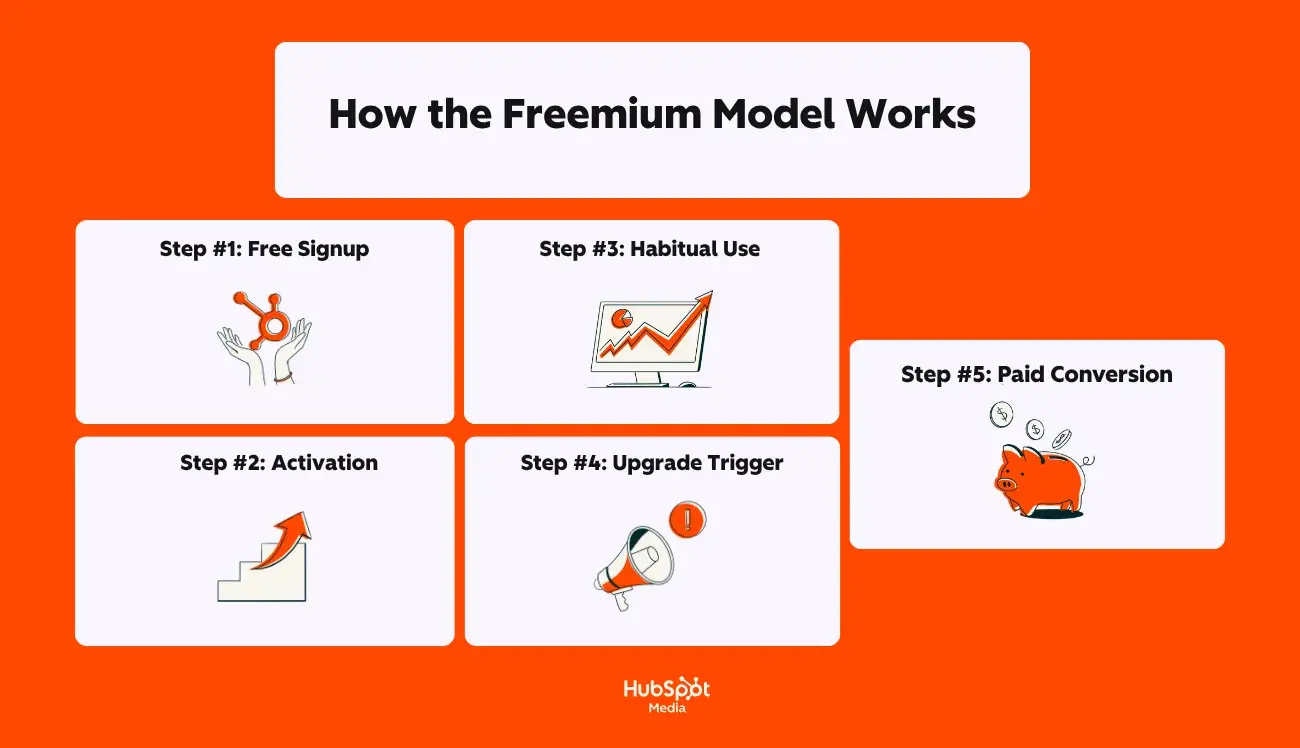
Time-to-value is the real lever, not the pricing model
What time-to-value actually means and how to measure it
Time-to-value (TTV) is the elapsed time between someone starting to use your product and the moment they get a result they actually wanted, not the moment they finish onboarding, not the moment they log in. Measure it as a timestamp difference: first interaction to first genuine "aha" event (a report generated, a message answered, a task completed, a booking confirmed). If you can't name that event precisely, you don't have a TTV metric, you have a guess.
Across most datasets, the single strongest predictor of free-to-paid conversion isn't the pricing model, it's whether the user completed onboarding and reached their first real result. Fix TTV and onboarding completion first; the conversion rate benchmark takes care of itself.
How WhatsApp-first products compress TTV to a single message
This is where WhatsApp changes the problem entirely. If the first meaningful interaction is a WhatsApp message rather than a dashboard login, TTV can drop to the time it takes to read a reply, often under sixty seconds. There's no account to create, no app to download, no dashboard to learn. The user sends a message, the automation responds with the actual output (an answer, a booking, a quote, a document), and the value has landed before any signup exists to abandon.
Example: a South African business calls an Uber-style service. Instead of creating an account on a website, they message the business WhatsApp number, receive a quote and pickup time in thirty seconds, and only after confirming the ride do they authenticate or pay. The product proved itself in a single exchange.
What should gate the free tier: usage, features, or seats
Usage caps that trigger after the user has already won
The strongest usage gates trip after the user has already gotten a result, not before. A free tier that lets someone send twenty WhatsApp automation messages, generate five reports, or process three orders lets them experience the win multiple times before the ceiling appears. A cap that hits on message one or trial run one never lets value land, it just relocates the signup wall by a day.
Feature gates: what to hold back without crippling the free experience
Feature gating works best on things that matter to power users but aren't essential to prove the core loop: multi-user collaboration, advanced reporting, API access, priority support. Never gate the core action the product exists to perform. If your product is a WhatsApp ordering bot, don't cripple the ordering flow in the free tier and call the analytics dashboard the paid feature, that inverts what the buyer is actually paying to solve.
Seat-based triggers and why they convert well for team tools
Seat-based gates convert well specifically because they're triggered by the customer's own growth, not by an arbitrary usage ceiling you set. A team tool that's free for one user and priced per seat above that gets upgraded organically as a business scales. The upgrade decision is made by the customer's growth, not by your billing logic reaching a limit.
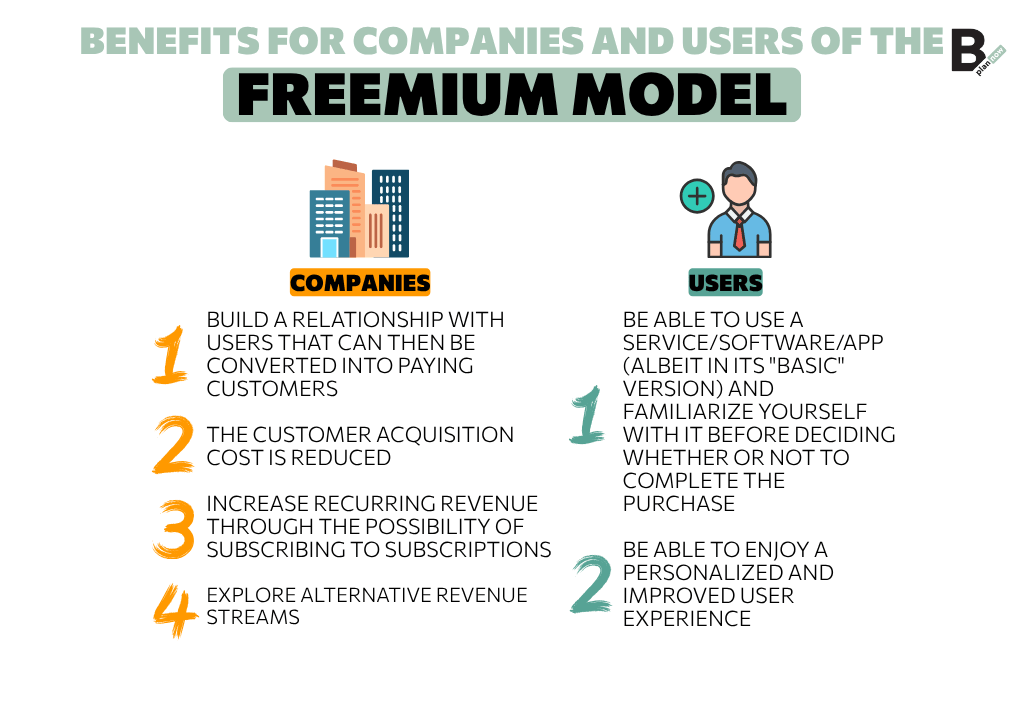
Reverse trials: give everything first, downgrade later
How reverse trials solve the "don't know what I'm missing" problem
A reverse trial gives new users full access to every paid feature for a set window, then downgrades them to the free tier at the end rather than the other way around. This solves a real problem with standard freemium: users on a capped free tier often don't know what the paid features would have done for them, because they've never seen them. A user experiences the full product, then feels the downgrade as a loss rather than guessing at an upgrade as a gain.
Where reverse trials fit for SA self-serve products
Reverse trials suit self-serve SA products with a genuine premium feature set worth showing off (priority WhatsApp response times, higher usage caps, multi-agent routing), but they require a product mature enough to have that feature depth already built. If you're still validating the core loop, a reverse trial is premature.
The Sagentics angle: proving value in a WhatsApp thread before any form exists
Why WhatsApp removes the sign-up form entirely for the first interaction
Every competitor piece on this topic assumes the default first touch is a web signup form followed by a credit card. For South African SMEs and their customers, that assumption is wrong twice over. Cards get declined or trigger FX friction on international tools, and the audience is WhatsApp-native, not form-native. Most South Africans already run their business communication and even payments through WhatsApp daily. The sharper move isn't reducing form fields, it's removing the form entirely for the first interaction.
Here's the real sequence:
- Prospect messages your WhatsApp Business API number.
- n8n workflow or custom automation receives the message.
- Automation generates and sends a working answer: a quote, a booking confirmation, a document, an order summary.
- Only after the prospect sees the output do you ask them to create an account or authenticate.
- At that point, they're already convinced the product works.
This removes the biggest source of drop-off in a traditional funnel. There's no landing page debate, no form-field anxiety, no card hesitation before proof. The prospect gets proof first, then chooses to stay.
Sequencing POPIA-regulated data capture after the demo, not before
POPIA governs when and how you collect personal information, but it doesn't require you to collect it before someone can see value. You can let a prospect experience a working demo in a WhatsApp thread using minimal, non-identifying interaction data (a phone number, a product query). Collect name, email, or business details only once they choose to proceed.
That's when POPIA actually requires consent during signup, and treating that consent moment as a conversion lever rather than a compliance checkbox you rush through early is the difference between a form that scares people off and one that closes people who already want in.
Handling ZAR pricing, Yoco, and PayFast without card friction upfront
Once the value has landed and the user wants to keep it, payment should be as frictionless as the demo was. Quoting in ZAR and accepting payment through WhatsApp with PayFast or Yoco means avoiding FX surprises and letting the customer pay with methods they already trust (EFT, card, Yoco QR), rather than forcing a foreign-currency card entry at the exact moment they're deciding whether to trust you with money.
Free-to-paid conversion benchmarks (and why to distrust most of them)
The reality: median 8%, most products well below it
Recent SaaS benchmarking data puts median free-to-paid conversion around 8%, with a long tail of products converting well below 3% and a small group of outliers above 15%. The median number gets quoted constantly and misunderstood just as often; most products sit meaningfully below it. The outliers pulling the average up tend to have unusually short TTV or unusually strong product-market fit, not a magic pricing formula.
Why US/global benchmarks don't map onto SA self-serve buyers
These benchmarks are built almost entirely from US and European self-serve funnels with card-first signup as the default. South African self-serve buyers, particularly SMEs, behave differently: more price-sensitive in USD terms, more comfortable transacting over WhatsApp than through a dashboard, and more reliant on local rails like Yoco and PayFast. Treat published benchmarks as a rough sanity check, not a target to hit.
Is freemium worth it for a small or bootstrapped SaaS company
Cost to serve a free user vs infrastructure reality in ZAR
Freemium is a bet that free users cost little enough to carry that the eventual conversions pay for the ones who never upgrade. For a bootstrapped SA team billing in ZAR while often paying for infrastructure in USD, that math needs to be explicit, not assumed. Know your compute, storage, and WhatsApp Business API messaging costs per free user before committing to an uncapped tier. Factor in two-year run rates, not just next month.
When a premium-only or trial-only model is the honest choice instead
If your cost to serve is high, your sales cycle is consultative, or your product's value only shows up after significant setup, a premium-only or trial-only model is the more honest choice. Freemium isn't a default best practice, it's a specific bet that only pays off under specific cost and usage conditions, and forcing it onto a product that doesn't fit just delays the revenue conversation without improving it.
Common questions
Freemium vs free trial: which converts better? Neither wins universally. Freemium tends to produce lower conversion percentages but larger absolute pipeline because more people enter free. Trials convert a higher percentage of a smaller, more qualified pool. Choose based on cost to serve and whether value compounds with usage (freemium) or lands fast for a high-intent buyer (trial), not on which number looks better in isolation.
What's a good free-to-paid conversion rate for SaaS? Recent benchmarking puts the median around 8%, with most products well below that and a minority above 15%. Treat 8% as a rough midpoint, not a target. The number that matters more is your own trend over time as you improve time-to-value and onboarding completion, since those drive conversion far more than the benchmark itself.
Should I require a credit card for a free trial? Generally no, especially for South African self-serve buyers. Card-upfront trials filter out low-intent users but also filter out legitimate buyers wary of FX fees or unfamiliar recurring billing. Delay card capture until after the user has seen a real result. This raises trial signups and shifts the qualifying moment to actual usage instead of a form field.
How long should a SaaS free trial be? Long enough to reach the product's real time-to-value at least twice, short enough to create urgency. Fast-TTV products can run 7 to 14 day trials. Products needing setup or integration often need 21 to 30 days. Don't pick a duration from a competitor's page, pick it from your own measured TTV.
What is time-to-value and why does it matter? Time-to-value is the elapsed time from first use to the moment a user gets a genuine result they wanted, not the moment onboarding finishes. It matters because it's the strongest lever on conversion, more than pricing model, trial length, or feature list. Shortening TTV usually beats any change to how you gate or price the free tier.
Does freemium work for enterprise or high-ACV products? Rarely as the primary model. High-ACV, considered-purchase products usually need sales involvement, custom scoping, and security review that a self-serve free tier can't accommodate. A limited free trial, demo, or reverse trial for a pilot team works better than open freemium for enterprise motion.
How do you stop free users from never upgrading? Gate on triggers tied to their own growth or success: usage volume, seats, or advanced features, not arbitrary time limits. Make sure the free tier delivers a real win before any ceiling appears, and follow up with users who hit the cap while still active rather than ones who went quiet months ago.
What should gate the free tier: usage, features, or seats? Usage caps that trip after value has landed work well for solo tools. Feature gates work when the withheld feature is genuinely secondary to the core loop. Seat gates work best for team products, since upgrades then track the customer's own growth rather than your billing logic.
Is freemium worth it for a small or bootstrapped SaaS company? Only if cost to serve a free user is genuinely low and manageable in ZAR terms, and the product's value compounds with continued use. If infrastructure cost per free user is meaningful or the sale requires consultation, a trial-only or premium-only model is usually the more honest and sustainable choice.
How does POPIA affect when you can collect user data during signup? POPIA regulates how and why you process personal information, it doesn't force you to collect it before a prospect can see value. You can demo a product using minimal, non-identifying interaction data, then collect name, contact, or business details once the user chooses to proceed, making consent timing a deliberate design choice rather than a default form field.
Can WhatsApp replace a traditional sign-up form for proving value? Yes, for the first interaction. A WhatsApp conversation can deliver the product's core output (an answer, a quote, a booking) without any account creation. The formal signup and data capture can happen afterward, once the prospect has already seen the result, which removes the biggest source of drop-off in a traditional funnel.
Next steps
Deciding between freemium, a trial, or a WhatsApp-first free flow depends on your product's cost to serve and how fast it can prove value, and getting that decision right before you build is worth the conversation. If you're weighing this for your own product, message Sagentics on WhatsApp and we'll talk through what fits your numbers.
Common questions
Freemium vs free trial: which converts better?
Neither wins universally. Freemium tends to produce lower conversion percentages but larger absolute pipeline because more people enter free. Trials convert a higher percentage of a smaller, more qualified pool. Choose based on cost to serve and whether value compounds with usage (freemium) or lands fast for a high-intent buyer (trial), not on which number looks better in isolation.
What's a good free-to-paid conversion rate for SaaS?
Recent benchmarking puts the median around 8%, with most products well below that and a minority above 15%. Treat 8% as a rough midpoint, not a target. The number that matters more is your own trend over time as you improve time-to-value and onboarding completion, since those drive conversion far more than the benchmark itself.
Should I require a credit card for a free trial?
Generally no, especially for South African self-serve buyers. Card-upfront trials filter out low-intent users but also filter out legitimate buyers wary of FX fees or unfamiliar recurring billing. Delay card capture until after the user has seen a real result. This raises trial signups and shifts the qualifying moment to actual usage instead of a form field.
How long should a SaaS free trial be?
Long enough to reach the product's real time-to-value at least twice, short enough to create urgency. Fast-TTV products can run 7 to 14 day trials. Products needing setup or integration often need 21 to 30 days. Don't pick a duration from a competitor's page, pick it from your own measured TTV.
What is time-to-value and why does it matter?
Time-to-value is the elapsed time from first use to the moment a user gets a genuine result they wanted, not the moment onboarding finishes. It matters because it's the strongest lever on conversion, more than pricing model, trial length, or feature list. Shortening TTV usually beats any change to how you gate or price the free tier.
Does freemium work for enterprise or high-ACV products?
Rarely as the primary model. High-ACV, considered-purchase products usually need sales involvement, custom scoping, and security review that a self-serve free tier can't accommodate. A limited free trial, demo, or reverse trial for a pilot team works better than open freemium for enterprise motion.
How do you stop free users from never upgrading?
Gate on triggers tied to their own growth or success: usage volume, seats, or advanced features, not arbitrary time limits. Make sure the free tier delivers a real win before any ceiling appears, and follow up with users who hit the cap while still active rather than ones who went quiet months ago.
What should gate the free tier: usage, features, or seats?
Usage caps that trip after value has landed work well for solo tools. Feature gates work when the withheld feature is genuinely secondary to the core loop. Seat gates work best for team products, since upgrades then track the customer's own growth rather than your billing logic.
Is freemium worth it for a small or bootstrapped SaaS company?
Only if cost to serve a free user is genuinely low and manageable in ZAR terms, and the product's value compounds with continued use. If infrastructure cost per free user is meaningful or the sale requires consultation, a trial-only or premium-only model is usually the more honest and sustainable choice.
How does POPIA affect when you can collect user data during signup?
POPIA regulates how and why you process personal information, it doesn't force you to collect it before a prospect can see value. You can demo a product using minimal, non-identifying interaction data, then collect name, contact, or business details once the user chooses to proceed, making consent timing a deliberate design choice rather than a default form field.
Can WhatsApp replace a traditional sign-up form for proving value?
Yes, for the first interaction. A WhatsApp conversation can deliver the product's core output (an answer, a quote, a booking) without any account creation. The formal signup and data capture can happen afterward, once the prospect has already seen the result, which removes the biggest source of drop-off in a traditional funnel.
About Sagentics
Sagentics is an AI systems studio based in South Africa. We design and build WhatsApp automation, n8n workflows, and custom AI products for local and international clients. We write from systems we have actually shipped.
Start a WhatsApp conversation with SagenticsRelated reading
- Build vs buy AI software: the honest answer for South African businesses
- Building a custom AI product: what it actually takes, what it costs, and why most of the work isn't the AI
- How to choose a real AI development partner in South Africa
- MVP scoping for AI SaaS: how to define the build before you pay for it
- when POPIA actually requires consent during signup
- accepting payment through WhatsApp with PayFast or Yoco
- scoping an MVP before you build the free tier
- how to calculate ROI once free users convert
- building the SaaS stack behind a freemium product
- deciding whether to build your own free-tier product
- the real cost of serving free users over two years
- how one product onboarded users straight from WhatsApp