

 Start a conversation
Custom AI product and SaaS development
AI URL-to-ads platforms: what they do, what they cost, and what they miss for South African SMBs
An AI URL-to-ads platform takes your website address, scrapes it for colors, copy, product images, and logo, then spits out ad creative for Meta, Google, or TikTok in a few minutes instead of a few days. That part works and it's genuinely useful if you have zero design capacity. But for most South African SMBs the creative was never the actual bottleneck. Budget size, how much conversion data you're feeding the ad platform, and what happens in the seconds after someone taps your ad usually matter a lot more than whether the headline font looks polished.
We know this because we build performance media systems for a living, not just creative generators. This piece is about naming the gap plainly instead of repeating the "paste a URL, get an ad" pitch you've already seen in every one of these vendors' demo videos.
What an AI URL-to-ads platform actually does
The paste-URL-to-creative pipeline, step by step
Under the hood, these tools run a fairly standard sequence. A scraper pulls your site's HTML and images, an image model isolates product shots or hero images, a language model rewrites your existing copy into ad-length hooks, and a template engine drops the result into pre-built ad layouts sized for each platform's spec sheet. Some tools add a scoring layer that predicts which variant will perform best based on patterns from their training data. None of this is exotic. It's a scraping job, a generation job, and a templating job stitched together with a decent UI on top.
We've written in more detail about what it actually takes to build an AI performance media platform, and the honest version is that the extraction and generation step is maybe 20% of the real engineering effort. The other 80% is what happens to the lead after the ad runs, which almost none of these vendors touch.
Static ads vs video ads vs UGC-style avatars
Most tools in this category output static image ads first because that's the easiest generation problem. A newer wave, Creatify and Predis.ai among them, generates short video ads and UGC-style talking-head avatars reading a script pulled from your site copy. The video output is impressive as a demo but the avatars still read stiffly to a South African ear, the accents and cadence are trained on US and European voice data, and the scripts rarely reference local context like ZAR pricing, delivery times from Johannesburg or Cape Town, or load shedding-adjusted service windows.
Why every vendor's pitch sounds the same
Nearly every landing page in this category uses the same three claims: paste your URL, generate ads in seconds, boost conversions. That's because the underlying technology stack is largely interchangeable, most of these tools sit on top of the same handful of image and language models. The differentiation is in workflow polish, publishing integrations, and pricing tiers, not in some proprietary breakthrough. Worth knowing before you pay a premium for a "unique" algorithm.
Who these tools are actually built for
Solo founders and small teams without a designer
If you're a one-person business running your own ads with no design budget, these tools genuinely save time. You get usable static creative faster than briefing a freelancer, and the output is good enough for testing hooks and angles before you commit real spend.
Ecommerce and DTC brands with product-page catalogs
Catalog-heavy stores benefit the most because the scraping step has clean, structured data to work with, product name, price, image, description, all sitting in predictable places on the page. Feed a URL-to-ads tool a product page and it has far less guessing to do than with a services business homepage full of unstructured text.
Agencies running high creative volume across clients
Agencies managing dozens of client accounts use these tools to produce first-draft variants at volume, then have a human editor clean up the best ones. The value here is speed of iteration, not final polish.

The main players and how they differ
AdCreative.ai, Searom, AdGen AI: pure creative generation
These three focus narrowly on generating static and carousel ad creative from a URL or product feed. They don't publish to ad accounts directly in most tiers, you download the assets and upload them yourself. AdCreative.ai is the most established of the three and has the widest template library.
Creatify and Predis.ai: video and UGC-style output
Creatify leans into short-form video ads with AI avatars, aimed at brands wanting TikTok and Reels-style creative without hiring talent. Predis.ai does something similar but also generates carousel posts and basic social copy, positioning itself more as a social content tool that happens to also make ads.
Canva Grow and WASK: creative plus publishing in one place
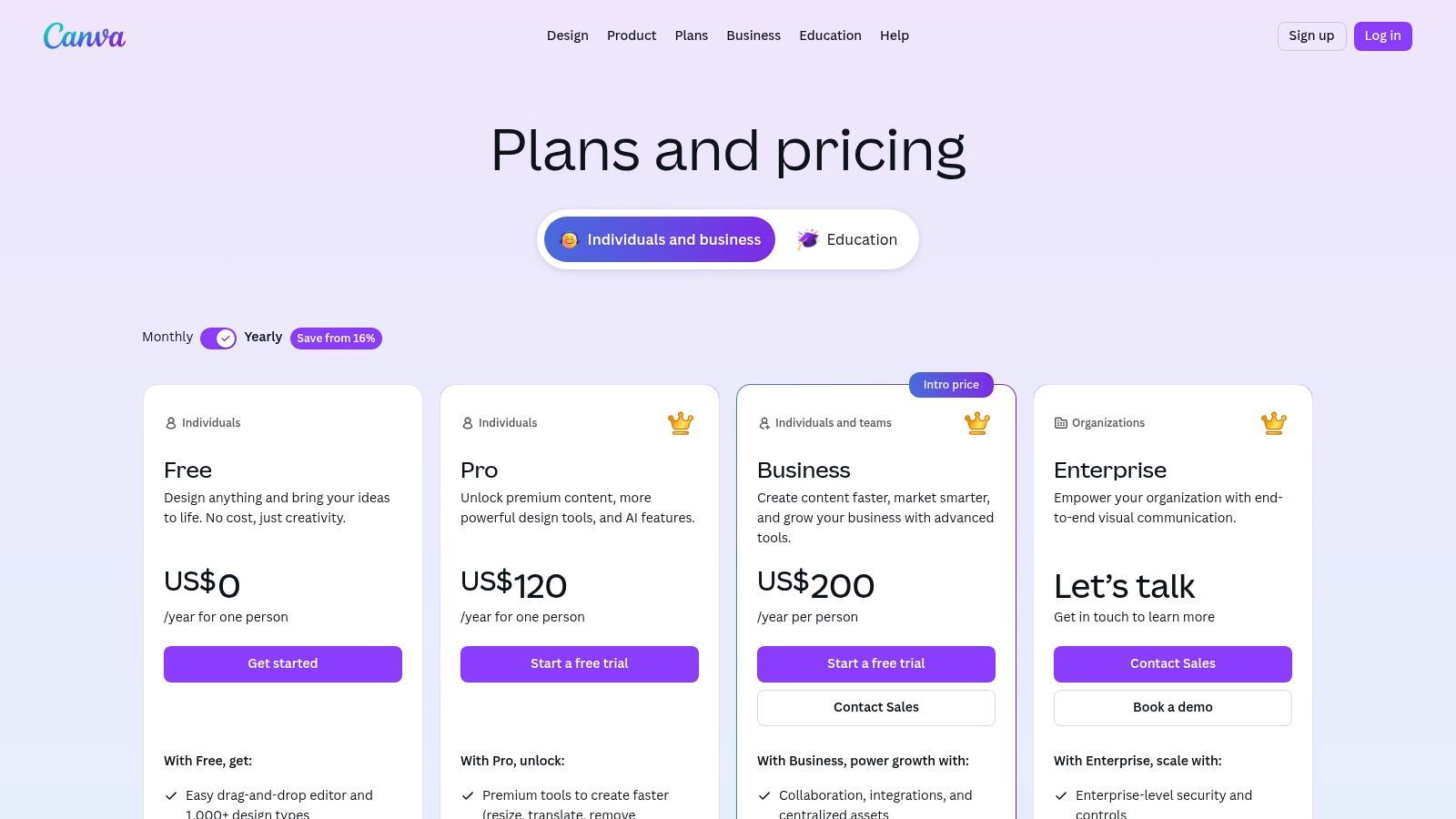
Canva's Grow tier and WASK both combine generation with direct publishing to Meta and Google ad accounts, closing the loop between "here's your ad" and "here's your ad running." That's a real convenience but it also means your campaign structure is constrained by whatever simplified setup the tool allows, which limits control once you want to run more sophisticated targeting.
Pricing snapshot in ZAR terms
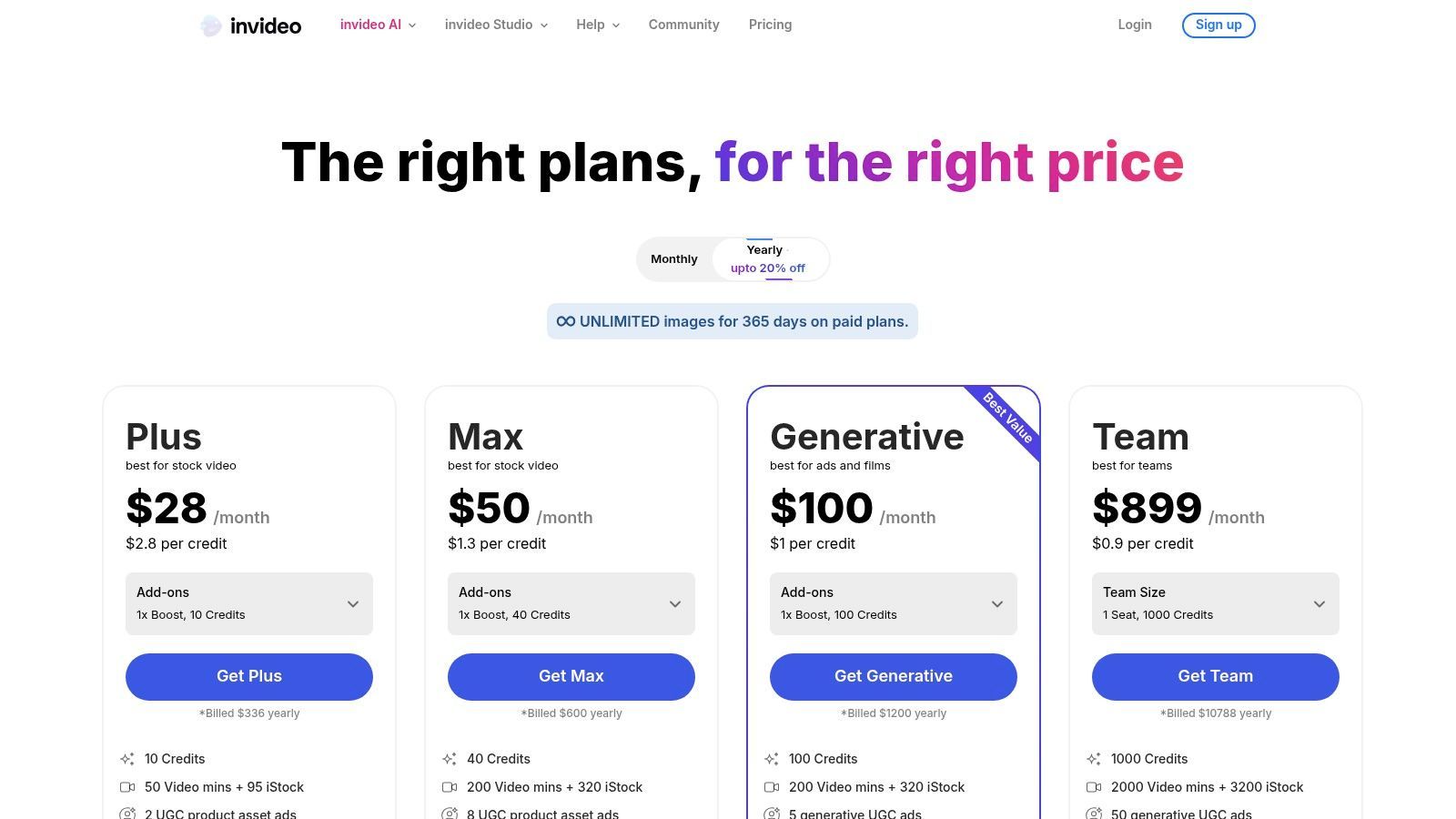
Most of these tools price in USD with tiers roughly translating to R450 to R1,800 a month for individual or small-team plans, and R3,500 to R9,000 a month for agency tiers with higher generation limits and multiple seats. Add currency conversion volatility and card fees on international billing, and the real monthly cost often runs 5 to 10% higher than the sticker price once it hits your bank statement.
Where the hype outruns the reality for South African SMBs
Why Performance Max and Advantage+ struggle under R15,000/month budgets
Google's Performance Max and Meta's Advantage+ campaigns are built to optimize using volume, they need enough daily conversion events to learn what's working. Under roughly R15,000 a month in spend, most South African SMB accounts simply don't generate enough conversions per week for these automated systems to exit the learning phase properly. The algorithm keeps testing rather than settling into efficient delivery, which means your budget is funding exploration, not results. Better creative doesn't fix an underpowered data feed.
Creative speed doesn't fix a small data problem
This is the core issue with the whole category's pitch. Generating ten ad variants in five minutes instead of five days is a real time saving, but if your account only has a trickle of daily conversions to learn from, ten variants or fifty variants will both struggle equally. The bottleneck moves from creative production to signal volume, and no generator addresses that.
Vendor stats (CTR lift, conversion lift) are self-reported, treat them as marketing
Nearly every case study you'll see quoting "34% higher CTR" or "2.1x conversion lift" comes from the vendor's own customer testimonials, run on accounts and industries they choose to highlight. There's no independent benchmarking body verifying these numbers across South African accounts specifically. Treat them the way you'd treat any other vendor claim, as a starting hypothesis to test on your own account, not a guarantee.
The missing step: what happens after the click in South Africa
Why click-to-WhatsApp beats a landing page for most local SMBs
South African consumers convert through conversation more readily than through a cold landing page, especially for services, bookings, and higher-consideration purchases. A click-to-WhatsApp ad drops the prospect straight into a chat where a bot or human can answer questions, quote pricing, and even close the sale, including accepting payments through WhatsApp with PayFast or Yoco. A landing page, by contrast, asks a stranger to trust a form before they've had a single interaction with your business.
The free 72-hour WhatsApp conversation window and what it means for ad spend
Once a customer messages you first, or replies to a click-to-WhatsApp ad, Meta gives you a 72-hour free-form conversation window to respond without incurring per-message charges under the current WhatsApp Business Platform pricing model. That window is where most of the actual selling happens, and it only opens correctly if your funnel routes through proper WhatsApp Business API vs the app infrastructure rather than a personal WhatsApp number bolted onto an ad.
How Meta's July 2025 per-template pricing change the cost math
Meta shifted WhatsApp Business Platform billing to per-template pricing in July 2025, meaning marketing-initiated messages outside the free window are now charged per template category rather than a flat conversation rate. For SMBs, this makes it more important than ever to design flows that get the customer replying inside the free window quickly, rather than relying on repeated outbound template blasts. We break the real numbers down in what WhatsApp automation really costs in ZAR.
POPIA and where your generated creative and lead data actually live
What POPIA requires when ad clicks capture a phone number
The moment an ad click captures a phone number, whether through a lead form or a WhatsApp opt-in, you're processing personal information under POPIA and need a lawful basis, a clear purpose, and a way to honor deletion or access requests. Most URL-to-ads platforms are creative tools first, they weren't built with South African data protection law in mind, so the compliance burden shifts entirely to you.
Questions to ask any URL-to-ads or WhatsApp vendor about data residency
Ask directly where lead data is stored, whether it leaves South Africa, who has access to it, and how deletion requests are handled. We've laid out what actually needs to be true for POPIA-compliant WhatsApp automation in more detail, and most creative-generation vendors won't have satisfying answers because lead storage isn't their product.
Buy a platform or build the workflow yourself
Weighing this properly means going through the honest build vs buy decision for South African businesses rather than defaulting to whichever option a sales page pushes hardest.
What a credit-based SaaS subscription costs over 12 months in ZAR
A mid-tier subscription at roughly R900 a month runs close to R10,800 a year, and that's before you factor in the agency-tier upgrade most teams end up needing once they outgrow the starter credit limits. Stacking a few tools for creative, publishing, and reporting together turns a "cheap" stack into a genuine line item on your balance sheet.
What an n8n-based build gets you that off-the-shelf tools don't
An n8n workflow pulls your product data, generates creative via API calls to the same underlying models these SaaS tools use, routes qualified leads straight into WhatsApp, and logs everything into a POPIA-compliant data store, all without a monthly per-seat fee once it's built. The setup and hosting costs are real, but n8n workflow automation costs and capabilities break down materially different from a subscription model.
When it's worth building a custom pipeline instead of subscribing
If you're running consistent monthly ad spend above roughly R15,000, or you need the ad-to-WhatsApp-to-payment flow to be seamless rather than stitched together manually, a custom build starts paying for itself within a few months. Below that spend level, a subscription tool is usually the more sensible starting point. We've documented how we built AdLynx, our own performance media platform, precisely because we hit this build-vs-buy decision ourselves and chose to own the pipeline rather than rent someone else's.
A realistic checklist before you subscribe
Budget threshold where AI creative tools start paying off
Below roughly R5,000 a month in ad spend, the time saved generating creative rarely justifies a subscription fee, you're better off using a free tool like Canva manually. Above R15,000 a month, faster creative iteration starts to compound because you can test more angles against a data volume large enough to actually learn from.
What to test before committing to a monthly plan
Run the free trial against your actual product pages, not the vendor's demo examples. Check whether the generated copy needs heavy editing to sound like a real South African business rather than a generic global brand. And confirm the tool can export creative in the exact aspect ratios Meta and Google currently require, spec changes happen often and free trials sometimes run on outdated templates.
Common questions
What is a URL-to-ad or URL-to-video generator and how does it actually work? It's a tool that scrapes your website for images, copy, and brand colors, then feeds that content into image and language models to auto-generate ad creative in platform-specific formats. The output ranges from static image ads to short AI-avatar videos, depending on the vendor, and is typically ready in under five minutes per batch.
Can these tools replace a designer for a small business? For basic static ads and quick testing, yes, largely. For anything requiring brand nuance, custom illustration, or a distinct visual identity beyond your existing site assets, no. Most SMBs use these tools to produce first drafts fast, then either accept them as-is for low-stakes testing or hand the best performer to a designer for a final polish pass.
Are AI-generated ads actually better performing, or is that vendor-sourced data? Vendor case studies quoting CTR or conversion lifts are self-reported from their own customer base, not independently verified. There's no neutral benchmark proving these tools outperform well-made human creative across South African accounts specifically. Treat the numbers as a hypothesis worth testing on your own account, not a guarantee of results.
What does an AI URL-to-ads platform cost in ZAR per month? Entry tiers typically run R450 to R1,800 a month once converted from USD pricing, with agency tiers reaching R3,500 to R9,000 a month for higher generation limits and multiple seats. Currency conversion and international card fees usually push the real cost 5 to 10% above the advertised price.
Do these platforms work well with small ad budgets typical of South African SMBs? Not particularly. The creative generation speed is real, but Meta's and Google's automated bidding systems need enough daily conversion volume to optimize properly, and most SMB accounts under R15,000 a month in spend don't generate that volume regardless of how good the creative is.
Should the ad send traffic to a landing page or to WhatsApp? For most South African SMBs selling services or higher-consideration products, click-to-WhatsApp converts better because it starts a conversation instead of asking a stranger to trust a form. Landing pages still make sense for pure ecommerce checkouts where the purchase path doesn't need a conversation to close.
Is customer data collected through these ad platforms POPIA compliant? Not automatically. The moment an ad captures a phone number or personal detail, you're responsible for lawful processing under POPIA regardless of which tool generated the ad. Most creative-generation vendors weren't built with South African data law in mind, so you need to check data residency and deletion handling separately.
Is it cheaper to build this with n8n instead of paying for a SaaS subscription? Over 12 months, yes, once your usage justifies the upfront build cost, because you avoid recurring per-seat fees and gain a workflow that connects creative generation directly to WhatsApp and payment routing. Below consistent moderate ad spend, the subscription route is usually simpler and cheaper to start with.
Does Meta's Performance Max or Advantage+ work well on a sub-R15,000 monthly budget? Generally not well. These automated bidding systems need enough daily conversions to exit their learning phase efficiently, and most accounts under that spend level don't generate enough signal, meaning the budget funds ongoing algorithm testing rather than stable, efficient delivery.
What changed with WhatsApp Business API pricing in July 2025 and does it affect ad funnels? Meta moved to per-template pricing for marketing-initiated messages sent outside the free 72-hour conversation window. This makes funnel design that gets customers replying quickly more valuable than before, since messages inside that window remain free while template-based outbound messages now carry a per-category cost.
If you want to talk through what an ad-to-WhatsApp funnel would actually look like for your business, including custom AI development in South Africa and a real ZAR budget range for an AI build, send us a message on WhatsApp and we'll walk through it with you, no pitch deck required.
Common questions
What is a URL-to-ad or URL-to-video generator and how does it actually work?
It's a tool that scrapes your website for images, copy, and brand colors, then feeds that content into image and language models to auto-generate ad creative in platform-specific formats. The output ranges from static image ads to short AI-avatar videos, depending on the vendor, and is typically ready in under five minutes per batch.
Can these tools replace a designer for a small business?
For basic static ads and quick testing, yes, largely. For anything requiring brand nuance, custom illustration, or a distinct visual identity beyond your existing site assets, no. Most SMBs use these tools to produce first drafts fast, then either accept them as-is for low-stakes testing or hand the best performer to a designer for a final polish pass.
Are AI-generated ads actually better performing, or is that vendor-sourced data?
Vendor case studies quoting CTR or conversion lifts are self-reported from their own customer base, not independently verified. There's no neutral benchmark proving these tools outperform well-made human creative across South African accounts specifically. Treat the numbers as a hypothesis worth testing on your own account, not a guarantee of results.
What does an AI URL-to-ads platform cost in ZAR per month?
Entry tiers typically run R450 to R1,800 a month once converted from USD pricing, with agency tiers reaching R3,500 to R9,000 a month for higher generation limits and multiple seats. Currency conversion and international card fees usually push the real cost 5 to 10% above the advertised price.
Do these platforms work well with small ad budgets typical of South African SMBs?
Not particularly. The creative generation speed is real, but Meta's and Google's automated bidding systems need enough daily conversion volume to optimize properly, and most SMB accounts under R15,000 a month in spend don't generate that volume regardless of how good the creative is.
Should the ad send traffic to a landing page or to WhatsApp?
For most South African SMBs selling services or higher-consideration products, click-to-WhatsApp converts better because it starts a conversation instead of asking a stranger to trust a form. Landing pages still make sense for pure ecommerce checkouts where the purchase path doesn't need a conversation to close.
Is customer data collected through these ad platforms POPIA compliant?
Not automatically. The moment an ad captures a phone number or personal detail, you're responsible for lawful processing under POPIA regardless of which tool generated the ad. Most creative-generation vendors weren't built with South African data law in mind, so you need to check data residency and deletion handling separately.
Is it cheaper to build this with n8n instead of paying for a SaaS subscription?
Over 12 months, yes, once your usage justifies the upfront build cost, because you avoid recurring per-seat fees and gain a workflow that connects creative generation directly to WhatsApp and payment routing. Below consistent moderate ad spend, the subscription route is usually simpler and cheaper to start with.
Does Meta's Performance Max or Advantage+ work well on a sub-R15,000 monthly budget?
Generally not well. These automated bidding systems need enough daily conversions to exit their learning phase efficiently, and most accounts under that spend level don't generate enough signal, meaning the budget funds ongoing algorithm testing rather than stable, efficient delivery.
What changed with WhatsApp Business API pricing in July 2025 and does it affect ad funnels?
Meta moved to per-template pricing for marketing-initiated messages sent outside the free 72-hour conversation window. This makes funnel design that gets customers replying quickly more valuable than before, since messages inside that window remain free while template-based outbound messages now carry a per-category cost.
About Sagentics
Sagentics is an AI systems studio based in South Africa. We design and build WhatsApp automation, n8n workflows, and custom AI products for local and international clients. We write from systems we have actually shipped.
Start a WhatsApp conversation with SagenticsRelated reading
- Build vs buy AI software: the honest answer for South African businesses
- Building a custom AI product: what it actually takes, what it costs, and why most of the work isn't the AI
- How to choose a real AI development partner in South Africa
- MVP scoping for AI SaaS: how to define the build before you pay for it
- what it actually takes to build an AI performance media platform
- how we built AdLynx
- accepting payments through WhatsApp with PayFast or Yoco
- WhatsApp Business API vs the app
- what actually needs to be true for POPIA-compliant WhatsApp automation
- the honest build vs buy decision for South African businesses
- what n8n actually costs and does
- what WhatsApp automation really costs in ZAR
- a real ZAR budget range for an AI build
- custom AI development in South Africa